
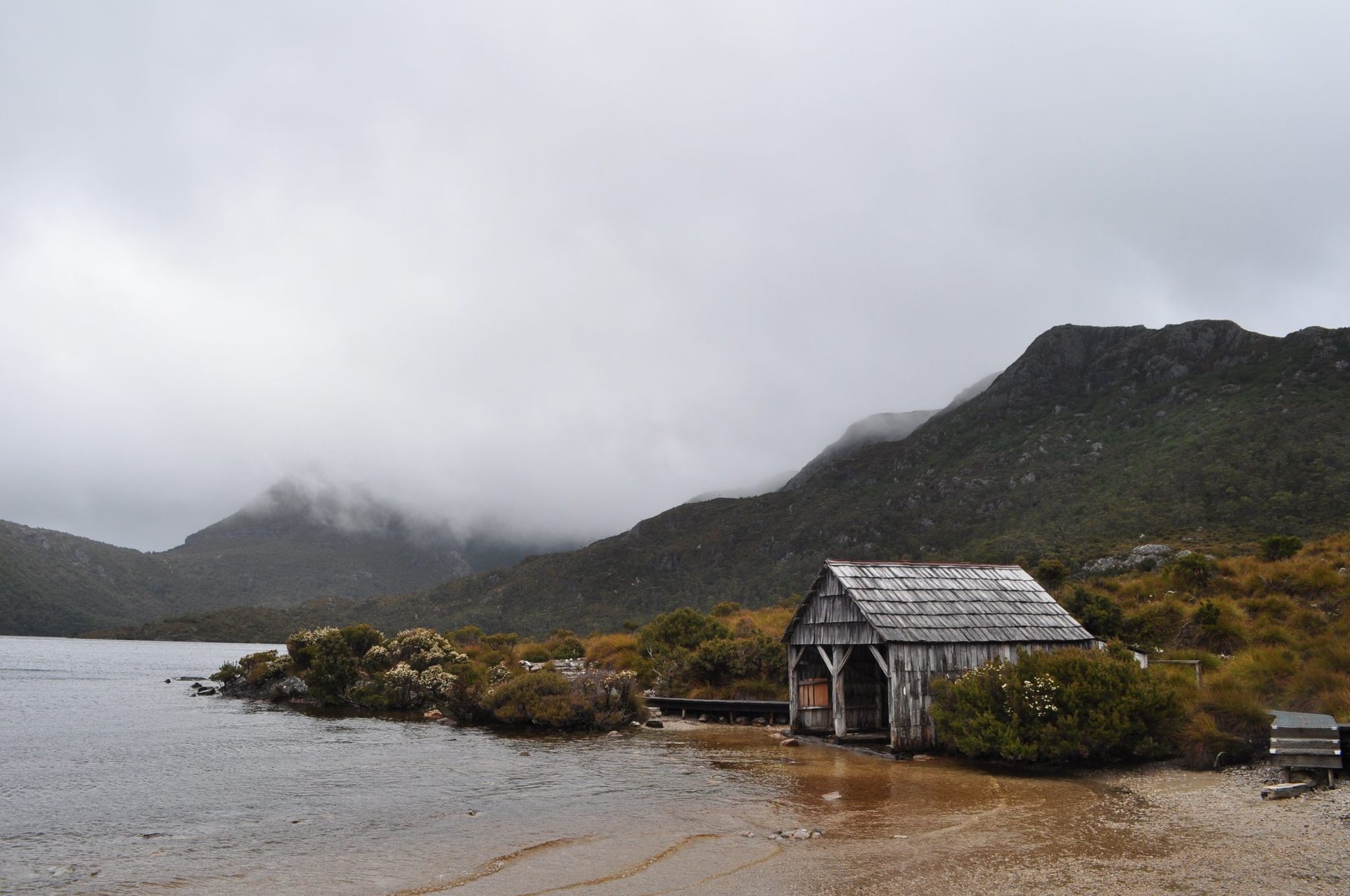
The Overland Track is Tasmania’s signature walk and one of the great wilderness routes of the southern hemisphere. It runs 65 kilometres from Cradle Mountain in the north to Lake St Clair in the south through the heart of a national park that is also a World Heritage area, and most people take six days to do it. We have walked it in shirt sleeves and in sleet on the same trip, which is the first thing anyone needs to know about the place. This guide covers the booking system, the huts, the side trips and the weather that rules everything.
How the walk is organised
During the walking season, which runs from the start of October to the end of May, the track must be booked in advance and can only be walked from north to south. A daily quota of departures keeps the huts and the track from being overwhelmed, and the popular weeks around Christmas and Easter sell out soon after bookings open in winter. The fee funds the track and hut maintenance, and every walker also needs a national parks pass. Outside the season, between June and September, no booking is required and the track can be walked in either direction, but that is winter in the Tasmanian highlands and it is a serious undertaking for experienced parties only.
The start is at Ronny Creek near Cradle Mountain, reached by a shuttle bus from the visitor centre. The finish is at Narcissus Hut at the northern end of Lake St Clair, Australia’s deepest lake. From there you either take the ferry down the lake to Cynthia Bay, which must be booked, or walk the extra 17 kilometres along the lakeshore, which most people treat as a seventh day. We would take the ferry after a wet week and the walk after a dry one.
The six days
Day one climbs steeply from Ronny Creek past Crater Lake to Marions Lookout and across the Cradle Plateau to Waterfall Valley, about 11 kilometres and the hardest day of the track, with Cradle Mountain and Barn Bluff standing over the whole route. Day two is a gentle 8 kilometres over buttongrass moorland to Lake Windermere. Day three is the longest, 17 kilometres across the Pine Forest Moor and down to the Pelion Plains and New Pelion Hut, with Mount Oakleigh across the valley. Day four climbs to Pelion Gap, the launching point for Mount Ossa, then descends to Kia Ora, about 9 kilometres without the side trip. Day five follows the Mersey valley past a trio of waterfalls to Du Cane Gap and Bert Nichols Hut at Windy Ridge, about 10 kilometres. Day six is 9 easy kilometres through tall forest to Narcissus and the lake.
Total ascent is modest, a little over 1,000 metres for the main track, but the ground is often wet, rooty or stony, and the side trips add far more climbing than the track itself.
Huts, platforms and camping
Each night has a hut with bunks, tables, a heater and rainwater tanks, and a set of timber tent platforms nearby. Beds in the huts are not reserved; they go to whoever arrives, and during the season the platforms are the backup when a hut is full. We always carry a tent for that reason and because a tent on a platform under Mount Oakleigh is a better night than a crowded hut. There is no cooking equipment in the huts and no fires are permitted anywhere on the track, so a fuel stove is essential. Toilets at each hut are composting; everything else you carry out, including food scraps.
There is no resupply at all. Six days of food, plus a spare day in case of weather, goes in the pack from the start. That is the main reason the Overland is heavier than a European hut walk, and why we spend a lot of time planning meals that are light, dense and quick to cook.
Mount Ossa and the side trips
The Overland is as much about the detours as the track. Mount Ossa, at 1,617 metres the highest mountain in Tasmania, is a return trip of about three to five hours from Pelion Gap over rock and scree, with a summit view that takes in most of the park on a clear day. The gap is exposed and the top can be in cloud while the valley is sunny; we go if the forecast is settled and turn back without regret if it is not. Cradle Mountain itself, at 1,545 metres, is a scramble from the plateau on day one, and Barn Bluff, at 1,559 metres, is a long side trip from near Waterfall Valley. Mount Oakleigh from Pelion, the waterfalls in the Mersey valley, and Pine Valley near the finish are gentler options. Most walkers fit in two or three.
Weather and what to carry
The Tasmanian highlands can produce snow in any month, including January. Cold fronts arrive from the west with little warning and bring wind, sleet and rapid drops in temperature. Hypothermia is the real hazard of the track, not the terrain. We carry a proper rain jacket and overtrousers, warm layers including a hat and gloves, gaiters for the mud, and a tent that can take wind. Sun protection matters as much on the clear days, because the ultraviolet is fierce at this latitude. A map and compass go in the pack even though the track is well marked and boarded in many places.
Water is plentiful. Tanks at the huts collect rain, and streams cross the track regularly. Most walkers drink from the tanks and the running streams without treatment; we filter below the huts and anywhere the water is still, and have never had a problem. Leeches are part of the deal in the wet forest sections, and wallabies and pademelons visit the platforms at dusk.
Our honest take
The Overland is not long and not high, but it is genuinely wild, and the weather gives it a seriousness that the distances do not. We would advise a first-timer to book a mid-week start in February or March, carry a tent and a spare day, plan for Mount Ossa but not count on it, and take the ferry if the lake is calm.
- Distance: 65 km Cradle Mountain to Lake St Clair, plus 17 km if you walk the lakeshore
- Days: 6, often 7 with side trips or the lake walk
- Season: bookings required from 1 October to 31 May, north to south only
- Huts: six along the route with tent platforms, no bookings, fuel stoves only
- High point: Mount Ossa side trip at 1,617 m
Few walks pack rainforest, alpine moor, dolerite peaks and a glacial lake into a single week. The Overland does, and it sends you home with muddy gaiters and a firm intention to return.